When "Normal" Isn't Working: Rethinking How We View Autism
An ordinary moment can reveal a much bigger story. From my home in Mediterranean Spain, I explore how global systems meet everyday life—and how culture gives those encounters meaning. A café conversation, a university classroom, a neighbourhood…
Hello OddlyRobbie readers,
Scrolling through the news, I stumbled upon an article in Newsweek about new research on autism. I didn't get past the paywall, but the premise was enough to stir my thoughts. It's disheartening to see so much effort and funding dedicated to making us fit a "normal" that doesn’t even consider our perspectives. It’s like seeing someone try to fit a square peg into a round hole—frustrating and pointless.
The Problem with "Normal"
What is "normal," anyway? It's often a standard set by those who haven't had to experience life as we do. It ignores the vibrancy and diversity of human minds, particularly those of us on the neurodiverse spectrum. Trying to 'fix' us doesn't just miss the point; it undermines the rich, complex lives we lead.
The Fallacy of the Fix
It's aggravating every time a new study suggests we need to be more like the neurotypical majority. Autism isn't a bug in the system; it's a variant in human cognition, deeply integral, not a flaw needing a patch.
Embracing Neurodiversity with Safe Spaces and Technology
Instead of attempting to change who we are, why not develop environments and tools that help us thrive? Imagine safe spaces where we can hone our abilities without the pressure to conform, equipped with technologies like AI Pins that translate complex social situations and customs for us. This approach would not only ease daily challenges but also allow us to showcase our unique strengths.
The True Problem
The real issue isn’t autism. It’s the pervasive attitude that fails to acknowledge our potential and the structures that do not accommodate different ways of processing the world. We need research and resources dedicated not to making us fit the mold, but to breaking the mold to accept and appreciate broader human diversity.
A Call to Action
To the researchers, policymakers, educators, and community leaders: consider that the problem isn’t us being autistic. The problem is a societal insistence on a narrow definition of normalcy that excludes us. Let’s redirect our efforts and resources toward understanding and support that celebrates all forms of human diversity. We don’t need to be fixed—we need environments and tools that empower us.
Conclusion
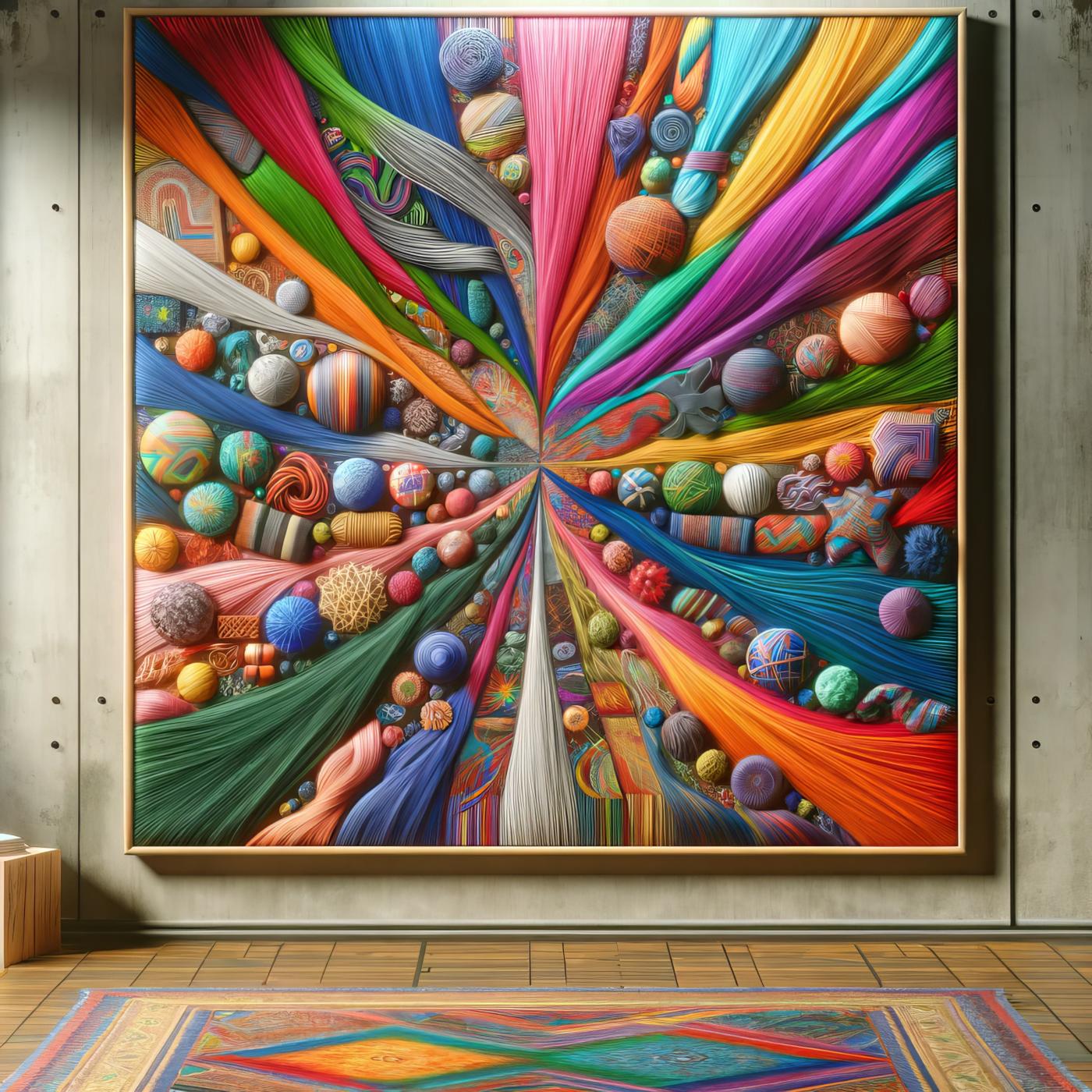
To my readers, I share these thoughts with a mix of frustration and hope. We are not alone in this fight. Together, we can push for a future where every neurotype is not only recognized but valued for its unique contribution to humanity's tapestry. Let’s champion safe spaces, invest in helpful technologies, and build a world that truly embraces neurodiversity. Hey if it ain’t broken don’t fix it!
Stay odd, stay strong.
Robbie
(note I use a voice synth of my real voice for listener's clarity)
Human Systems with Oddly Robbie
An ordinary moment can reveal a much bigger story.
From my home in Mediterranean Spain, I explore how global systems meet everyday life—and how culture gives those encounters meaning.
A café conversation, a university classroom, a neighbourhood tradition, or a frustrating piece of paperwork can open a question: why does this work the way it does? What shaped it? And why might it feel perfectly natural to one person and puzzling to another?
I’m Robbie Ellestad, also known as Oddly Robbie. After living in 22 places around the world in three years, I’m staying long enough to look more closely.
Human Systems connects personal experience with wider patterns in technology, history, economics, and human behaviour. I follow the connections, question my assumptions, and look for those “ah, now I see it” moments that change how we understand something familiar.
Rooted in life here. Curious about what connects it to everywhere else.
(Oddly Robbie is just something I do for fun. I don’t accept donations, sponsorships, paid promotions, or other compensation. It’s a hobby, not a business.)