From Heartland to Homeland: Jakob's Journey and Our Shared Quest for Peace
An ordinary moment can reveal a much bigger story. From my home in Mediterranean Spain, I explore how global systems meet everyday life—and how culture gives those encounters meaning. A café conversation, a university classroom, a neighbourhood…
In the heart of the tumultuous 19th century, my great-grandfather Jakob’s journey from Odessa to North Dakota stands as a beacon of resilience and the universal quest for peace. As a family historian, I’ve always felt deeply connected to my ancestors, particularly those who faced extraordinary challenges. Their stories, passed down through generations, have shaped my understanding of endurance, courage, and the pursuit of peace.
Jakob was born near the Black Sea in what is now Ukraine. His father, of German heritage, was born in Odessa—a city with a rich, diverse cultural history. This varied background highlights the region’s historical complexities and its importance in Jakob’s life. Life in Jakob’s time was perilous, especially for Germans living in the Soviet Union under Stalin’s regime. Young men like Jakob were often sent to Siberia for forced labor or war. Meanwhile, women endured harsh labor, such as paving roads by pushing heavy rollers.
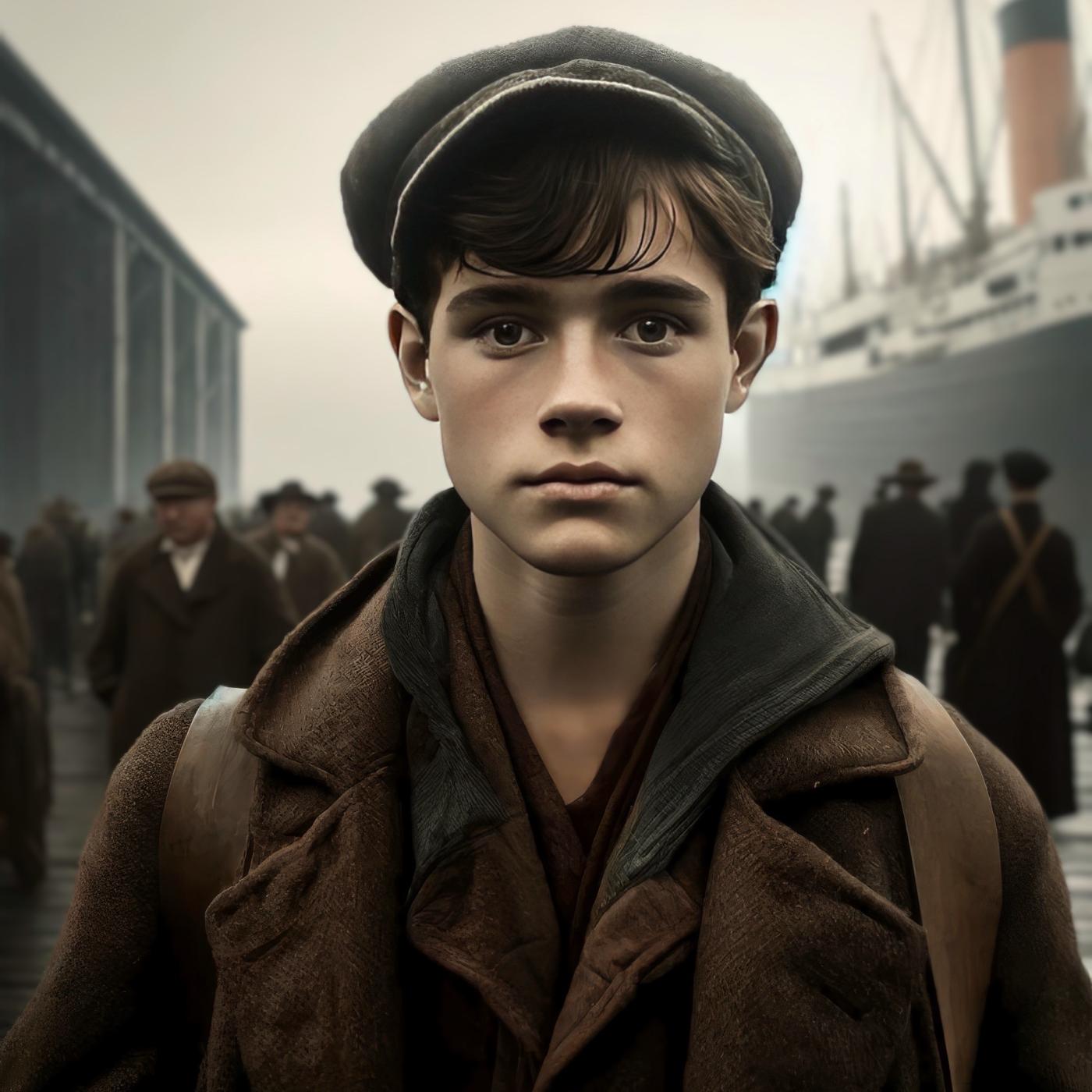
At just 16, Jakob faced a heartbreaking reality: he had to leave his home and family forever. Leaving openly would have been dangerous—if authorities suspected he was fleeing, they might shoot him. To survive, Jakob sewed his boat passage and belongings into his clothes. This desperate act was his only hope for escape.
Jakob’s journey wasn’t just physical; it was a profound testament to the resilience of the human spirit. He knew leaving meant he would never speak to his family again, for their safety and his own. His courage in the face of such adversity continues to inspire me.
In North Dakota, Jakob found a new home, but the memories of his homeland and the loved ones he left behind remained. He now rests there, a symbol of the unbreakable link between heartland and homeland.
Reflecting on Jakob’s story, I see echoes of countless others uprooted by conflict and forced to start anew. These stories aren’t just pieces of the past; they are urgent calls for action today, reminding us of the importance of striving for a world where peace and understanding conquer division and violence.
As we look at Jakob’s journey, it’s hard not to see parallels in today’s conflicts. The current situation in Ukraine reflects the ongoing struggles faced by those displaced by war and unrest. These similarities highlight our collective quest for peace and unity. The connection between Jakob’s experience and the hardships faced by many today is striking, underscoring the cyclical nature of history and our enduring need for compassion and solidarity.
Jakob’s story illustrates the human cost of conflict and the persistent hope for peace that propels us forward. His experiences, shaped by a turbulent time, connect us through shared struggles and aspirations.
In sharing Jakob’s story, I aim to illuminate the human toll of conflict and the hope for peace that keeps us moving forward. Let us honor the legacies of those who came before by working tirelessly to build a world where stories like Jakob’s become a thing of the past.
Every life touched by war and displacement is a story of resilience and the enduring human spirit. By understanding and sharing these stories, we can build bridges of empathy and solidarity, fostering unity and shared humanity.
I invite readers, especially those from Russia and Ukraine, to share their own family stories and reflections. Together, by fostering understanding, we can honor the legacies of those before us and work towards a more peaceful future.
Warm regards,
Oddly Robbie
Human Systems with Oddly Robbie
An ordinary moment can reveal a much bigger story.
From my home in Mediterranean Spain, I explore how global systems meet everyday life—and how culture gives those encounters meaning.
A café conversation, a university classroom, a neighbourhood tradition, or a frustrating piece of paperwork can open a question: why does this work the way it does? What shaped it? And why might it feel perfectly natural to one person and puzzling to another?
I’m Robbie Ellestad, also known as Oddly Robbie. After living in 22 places around the world in three years, I’m staying long enough to look more closely.
Human Systems connects personal experience with wider patterns in technology, history, economics, and human behaviour. I follow the connections, question my assumptions, and look for those “ah, now I see it” moments that change how we understand something familiar.
Rooted in life here. Curious about what connects it to everywhere else.
(Oddly Robbie is just something I do for fun. I don’t accept donations, sponsorships, paid promotions, or other compensation. It’s a hobby, not a business.)