Caring for All: The True Measure of a Nation
An ordinary moment can reveal a much bigger story. From my home in Mediterranean Spain, I explore how global systems meet everyday life—and how culture gives those encounters meaning. A café conversation, a university classroom, a neighbourhood…
When we talk about progress, what are we really measuring? Is it GDP growth, faster cars, or bigger skyscrapers? For me, true progress is defined by the care and compassion a nation extends to its people—particularly the vulnerable.
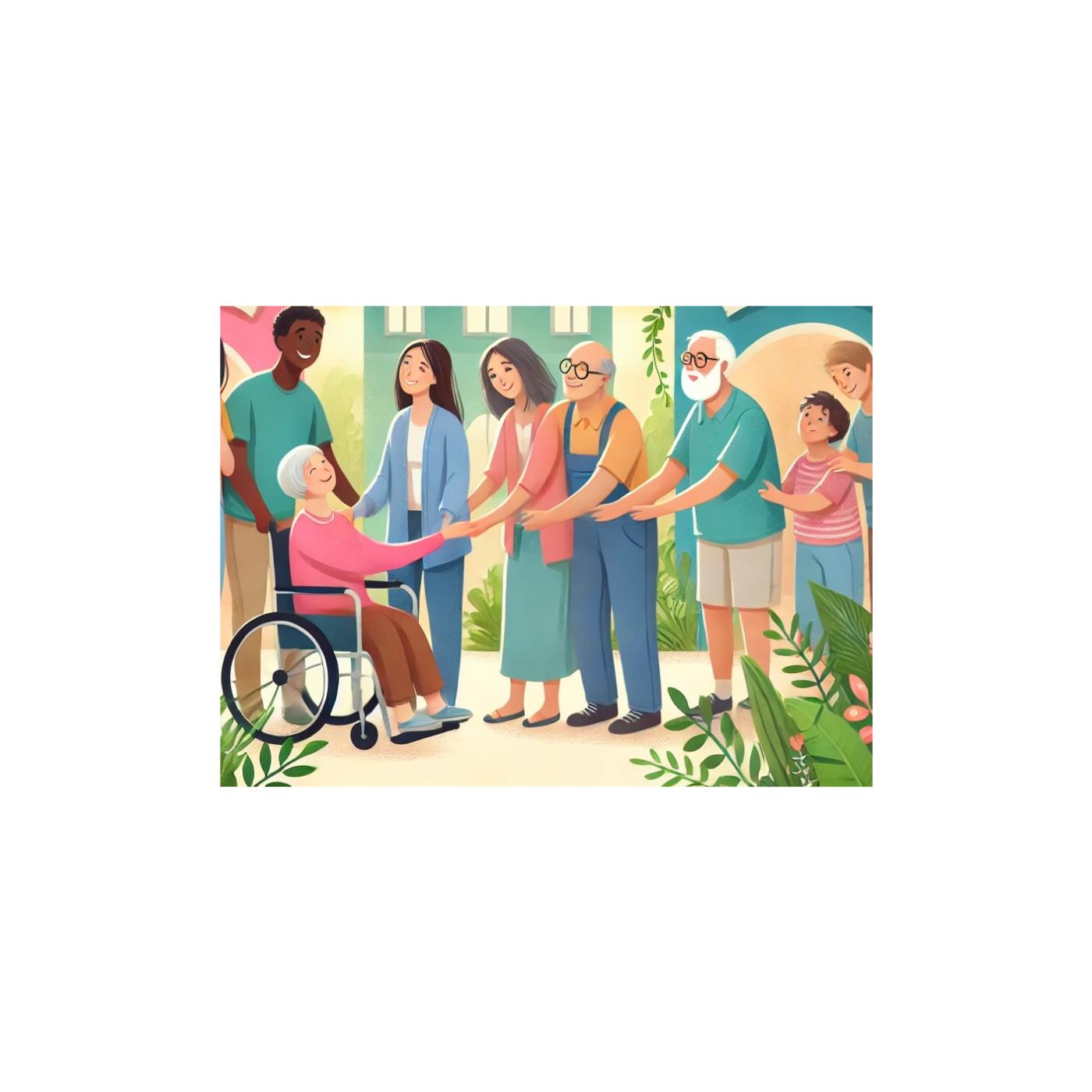
This belief came into sharp focus recently, thanks to Spain’s groundbreaking “Economy of Care” summit. Leaders, advocates, and policymakers gathered to explore care as a societal cornerstone, not a private burden. Their work is an important reminder that the strength of a society is not its ability to dominate but to nurture.
Consider this: accessible employment for people with disabilities, caregiving policies that ensure dignity, and inclusive infrastructures. These aren’t just legislative niceties; they are reflections of a nation’s soul. Spain is proving this by advocating for disability care as public policy, uniting governments, businesses, and civil society in shared purpose.
This hits home for me as someone navigating life with autism. I’ve lived through the gaps in systems that were never designed for people like me. That’s why Spain’s efforts resonate so deeply. It’s not just about providing care; it’s about valuing every person as a thread in the fabric of society.
Care as a National Compass
A nation that prioritizes care understands humanity’s interconnectedness. Supporting caregivers, funding accessible technologies, and crafting equitable policies are investments in a stronger, more compassionate society.
So, the next time someone asks, “What makes a country great?” let’s challenge them to look past the numbers. True greatness lies in how we care for one another, ensuring that no one is left behind.
Stay odd, stay human, and let’s keep pushing for a world where care is the measure of progress.
Human Systems with Oddly Robbie
An ordinary moment can reveal a much bigger story.
From my home in Mediterranean Spain, I explore how global systems meet everyday life—and how culture gives those encounters meaning.
A café conversation, a university classroom, a neighbourhood tradition, or a frustrating piece of paperwork can open a question: why does this work the way it does? What shaped it? And why might it feel perfectly natural to one person and puzzling to another?
I’m Robbie Ellestad, also known as Oddly Robbie. After living in 22 places around the world in three years, I’m staying long enough to look more closely.
Human Systems connects personal experience with wider patterns in technology, history, economics, and human behaviour. I follow the connections, question my assumptions, and look for those “ah, now I see it” moments that change how we understand something familiar.
Rooted in life here. Curious about what connects it to everywhere else.
(Oddly Robbie is just something I do for fun. I don’t accept donations, sponsorships, paid promotions, or other compensation. It’s a hobby, not a business.)